Improved Social Interaction
Encourages sharing, turn-taking, cooperation, and positive interactions with peers.
Helping children build meaningful friendships, strengthen communication, understand emotions, and develop confidence through supportive group activities.

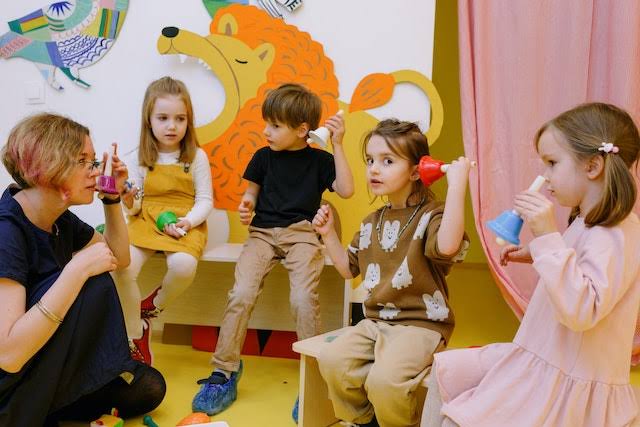
At Gyanti Child Development Center, our Group Therapy sessions provide children with a safe and supportive space to develop essential social and communication skills while interacting with peers.
Group therapy helps children learn teamwork, empathy, emotional regulation, and problem-solving in real-life social settings. Each session combines engaging, play-based activities with structured guidance from our therapists.
Through cooperation, sharing, turn-taking, and expressing emotions appropriately, children can practise important skills in a positive environment. These sessions may be particularly helpful for children experiencing challenges with social interaction, including some children with autism spectrum disorder (ASD), ADHD, or social anxiety.
Our approach: Every child is unique. Activities and group expectations are adapted to children's individual abilities, comfort levels, and therapy goals.
Guided group experiences help children practise everyday social skills, build relationships, and become more comfortable interacting with others.
Encourages sharing, turn-taking, cooperation, and positive interactions with peers.
Helps children practise expressing their needs, listening, and participating in conversations.
Supports the recognition of feelings, empathy, and appropriate ways to express emotions.
Builds cooperation, shared decision-making, and confidence in working towards common goals.
Children are encouraged to participate at their own pace while learning alongside peers in a caring and structured environment.
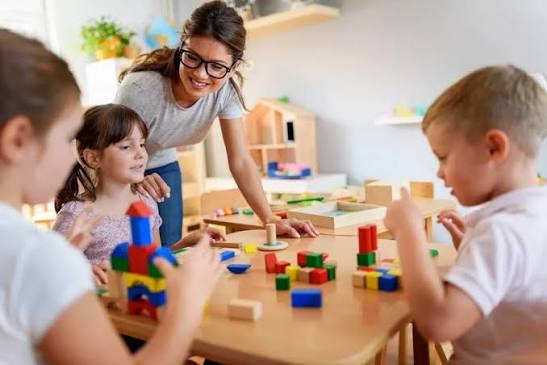
Group activities provide opportunities for children to share ideas, try new things, and experience a sense of belonging and self-assurance.

Children learn together in a positive, non-judgmental space where they can practise social skills with encouragement and guidance.
At Gyanti Child Development Center, we focus on creating meaningful learning experiences that respect each child's individual needs, strengths, and pace of development.
Find answers to common questions about our group therapy sessions, activities, and how children can benefit from learning together.
Group therapy helps children practise and develop communication, social, and emotional skills through structured interaction with peers. Activities encourage cooperation, listening, sharing, and positive relationships.
Group size depends on children's needs, abilities, and therapy goals. Small groups may include around 4–6 children to support individual attention while encouraging meaningful peer interaction. The exact group size should be confirmed with our team.
Group therapy may benefit children who need support with social interaction, communication, emotional regulation, or behavioural adjustment. A therapist can help determine whether a group setting is appropriate for a child's individual needs.
Children are grouped by considering factors such as age, communication abilities, social readiness, and therapy goals. This helps create a comfortable setting where children can participate meaningfully and learn alongside peers.
Depending on the children's goals, sessions may include role-playing, social games, storytelling, cooperative tasks, turn-taking exercises, and communication activities. Therapists adapt activities to support participation and skill development.
Every child deserves a chance to connect, communicate, and grow. Speak with our team to learn whether group therapy may be suitable for your child.