Early Detection
Helps identify possible hearing difficulties so that appropriate assessment and follow-up can begin when needed.

Child-friendly hearing assessments to help identify hearing concerns early and support your child's communication, language, and learning development.

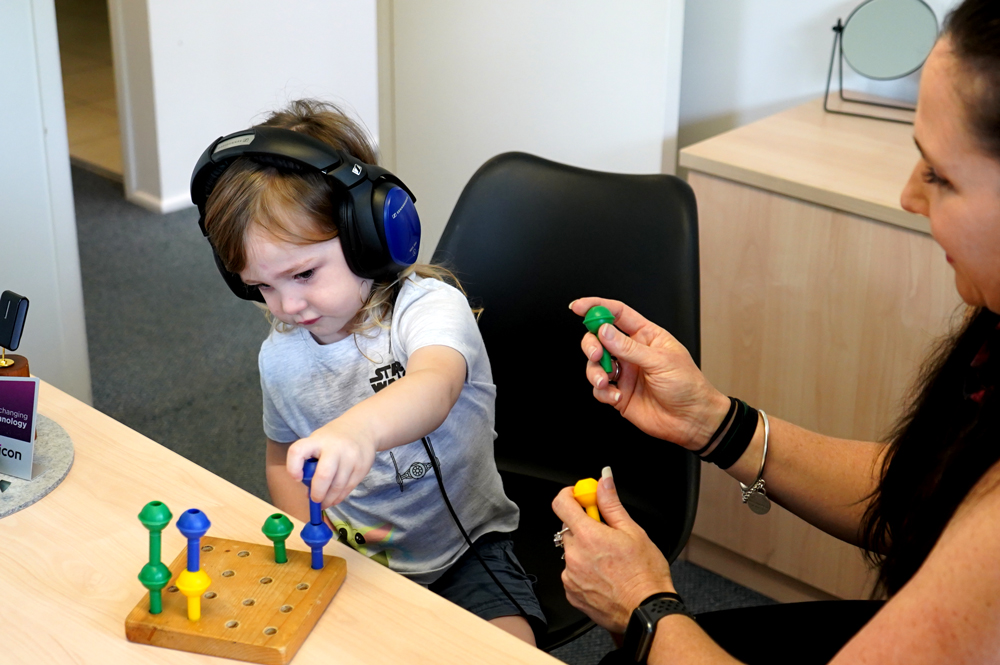
At Gyanti Child Development Center, our Hearing Test services are designed to identify possible hearing difficulties early and help families understand their child's hearing needs.
Hearing plays an important role in speech, language, learning, and social development. Even a mild hearing difficulty may affect how a child listens, speaks, understands instructions, or interacts with others.
Depending on the child's age and needs, hearing assessments may involve safe, non-invasive techniques to evaluate hearing sensitivity and aspects of ear function. The appropriate test is selected by a qualified professional.
Early action matters: If you notice speech delays, inconsistent responses to sounds, or listening difficulties, seek advice from a qualified hearing professional.
Understanding your child's hearing can help families take appropriate next steps for communication, learning, and developmental support.
Helps identify possible hearing difficulties so that appropriate assessment and follow-up can begin when needed.
Hearing assessment can help clarify concerns that may affect listening, speech, language, and everyday communication.
Provides information that can guide appropriate follow-up, further testing, or support based on the child's individual results.
Hearing assessment can help families better understand their child's listening needs and plan appropriate support.

Helps parents gain a clearer understanding of their child's hearing health and know when further evaluation or support may be needed.

Identifying hearing concerns can help families and educators address listening difficulties that may affect classroom participation and understanding.
We understand that hearing assessments can feel unfamiliar to children and parents. A supportive, age-appropriate approach can help children feel more comfortable during the assessment process.
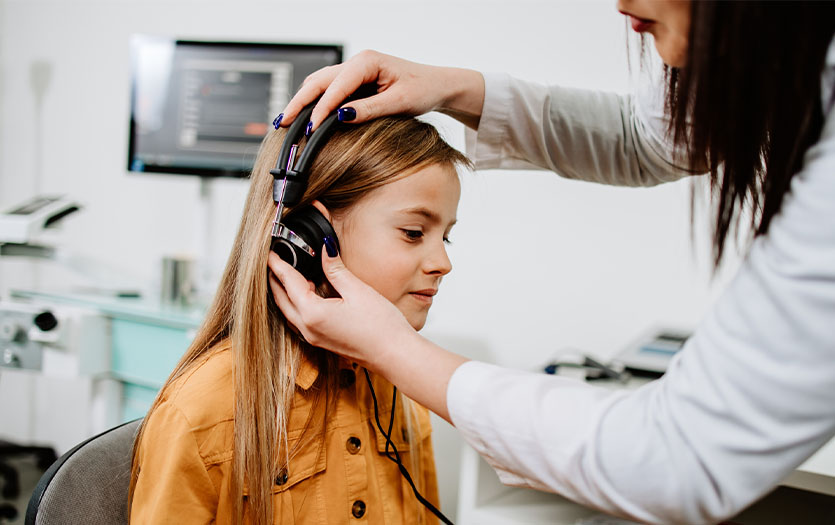
Find answers to common questions about children's hearing assessments, testing methods, and what happens after an evaluation.
Hearing assessments can identify hearing difficulties that may affect speech, language, listening, and learning. Early identification helps families access appropriate follow-up and support when needed.
Hearing can be assessed from infancy using methods suitable for a child's age. Arrange an assessment if you have concerns about your child's responses to sounds, speech development, or listening, even if the child has previously passed a hearing screening.
The professional may use age-appropriate methods such as pure-tone audiometry, tympanometry, or otoacoustic emissions (OAE) testing. The specific tests depend on the child's age, developmental abilities, and reason for assessment.
The duration depends on the type of assessment and the child's age and cooperation. Some screenings are brief, while a complete hearing evaluation may take longer. Please confirm the expected duration when booking your appointment.
If the assessment suggests a hearing difficulty, the next step may involve further audiological testing or consultation with an appropriate medical professional. Depending on the findings, your child may also benefit from speech-language support or other hearing-related interventions.
If you have concerns about your child's hearing, listening, or speech development, contact Gyanti Child Development Center to discuss the appropriate next steps.