Enhanced Understanding
Helps children understand words, questions, concepts, and everyday instructions.
At Gyanti Child Development Center, our Language Therapy program helps children understand language, express their thoughts, build vocabulary, and communicate more confidently through engaging, child-friendly activities.
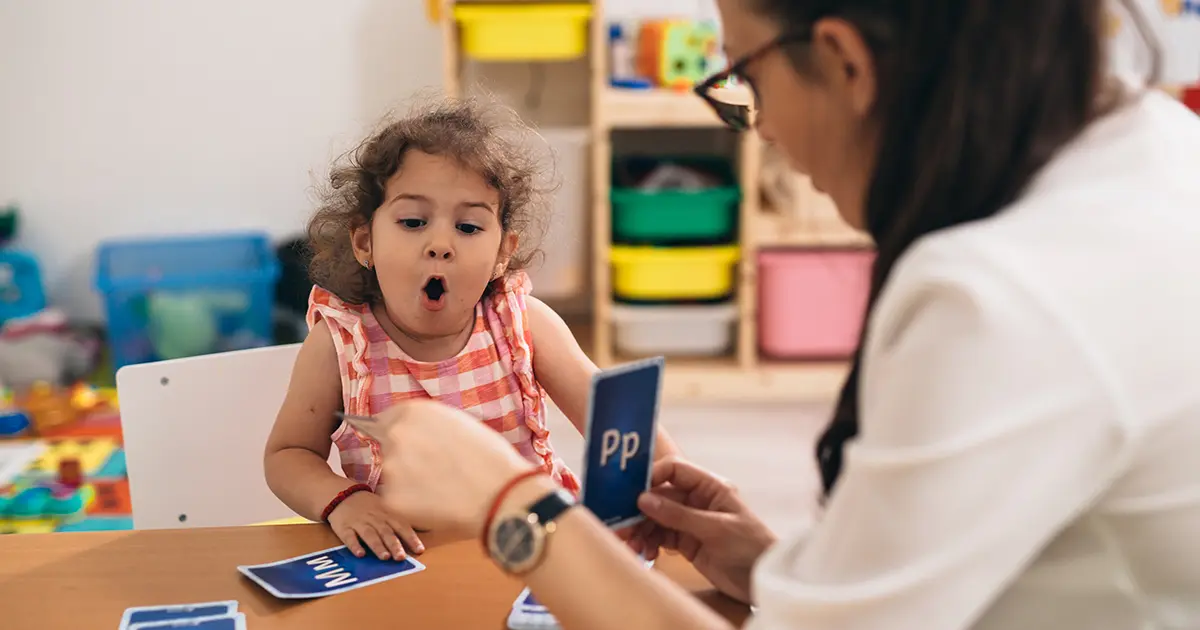

Every child develops communication skills at their own pace. Some children may find it difficult to understand words, follow instructions, form sentences, or express their thoughts clearly.
Our language therapists use interactive sessions, stories, visual aids, play, and structured conversations to help children strengthen language comprehension and expression in a supportive environment.
Language therapy supports everyday communication and helps children participate more comfortably in learning, play, and social situations.
Helps children understand words, questions, concepts, and everyday instructions.
Encourages children to share their needs, ideas, feelings, and thoughts more effectively.
Strengthens language skills that support classroom participation, listening, and learning.
Supports conversation, turn-taking, and communication with family members and peers.

Helps children learn new words, understand their meanings, and use them in everyday communication and learning activities.

Creates supportive opportunities for self-expression, helping children communicate their needs and participate more comfortably.
We recognize that each child has different strengths, interests, and communication needs. Our approach focuses on individualized support, engaging activities, and collaboration with families.
Support from professionals who work with children and their communication goals.
Activities selected to suit each child's abilities, developmental needs, and goals.
Stories, games, visuals, and interaction make language practice engaging.
Practical guidance helps parents reinforce communication skills during daily routines.

Find answers to common questions about language development and therapy at Gyanti Child Development Center.
Speech therapy may address speech sounds, clarity, fluency, and other communication difficulties. Language therapy focuses on understanding and using words, forming sentences, following instructions, and communicating meaningful ideas. Some children benefit from support in both areas.
You may consider an assessment if your child has difficulty understanding questions, following instructions, learning or using words, forming sentences, or communicating needs. If you have concerns about your child's development, a qualified professional can help determine whether an assessment or therapy is appropriate.
Language support can begin in early childhood when a need is identified. The appropriate time depends on the child's communication development and individual needs. Parents do not need to wait until a child reaches a particular age to seek professional advice about developmental concerns.
The frequency of sessions depends on the child's assessment, goals, and individual needs. Your therapist can recommend a suitable schedule and suggest simple activities that parents can practice at home between sessions.
Yes. Language therapy can support children with autism and various developmental or learning needs. Depending on the child's individual profile, therapy may focus on comprehension, expression, functional communication, conversation, and social communication.
Parents can talk about everyday activities, read stories together, name familiar objects, offer choices, listen patiently, and allow children time to respond. Your therapist can recommend activities suited to your child's current communication goals.
Every child's communication journey is different. Connect with Gyanti Child Development Center to discuss your child's language development and possible next steps.